

KORN BASS
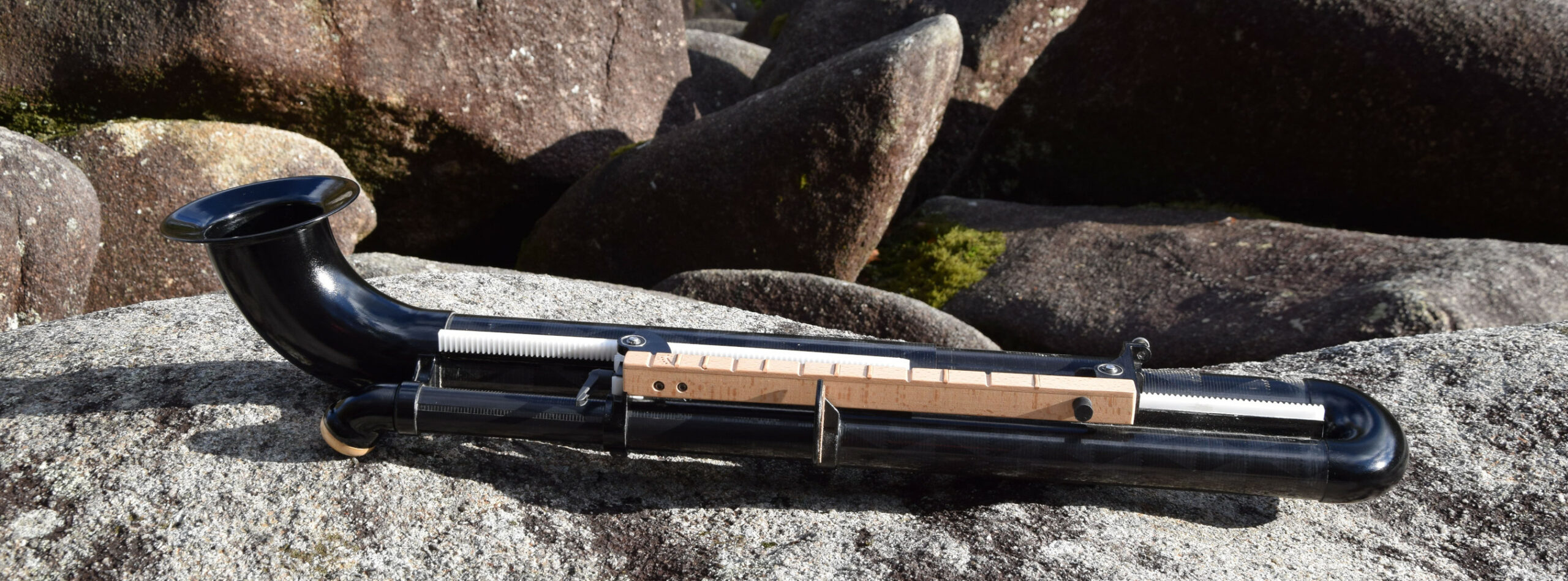
The chromatic slide didgeridoo
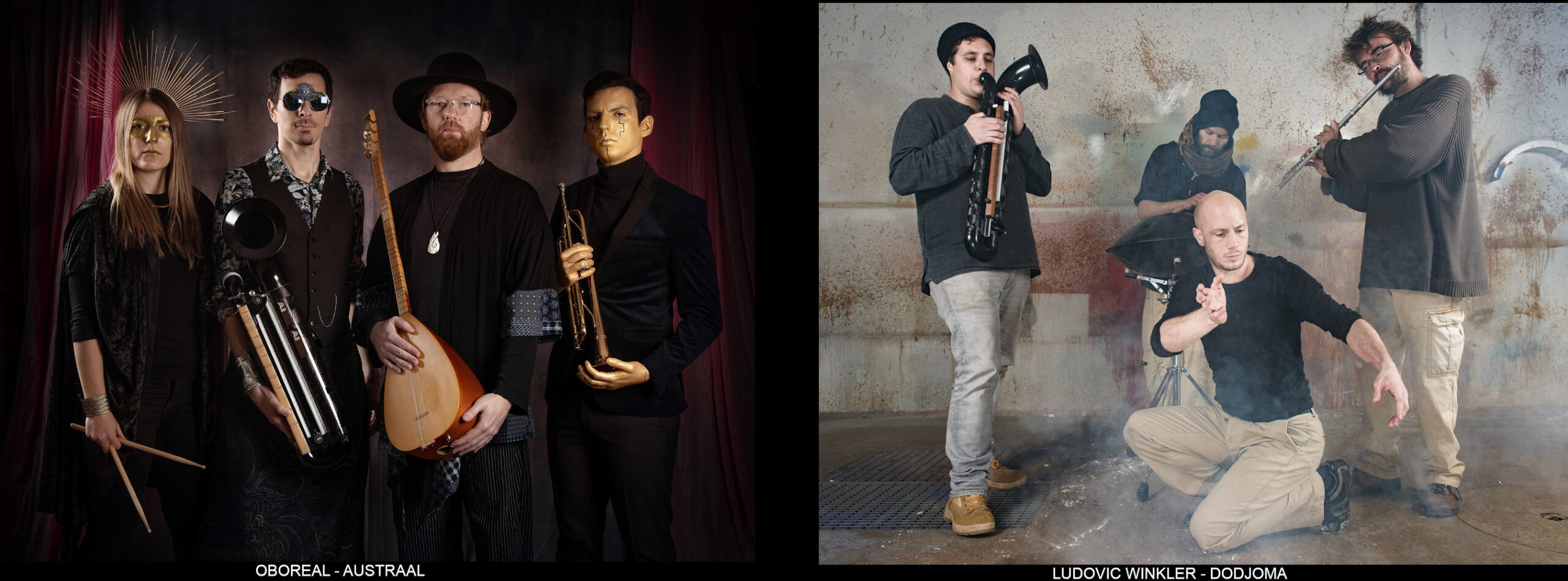
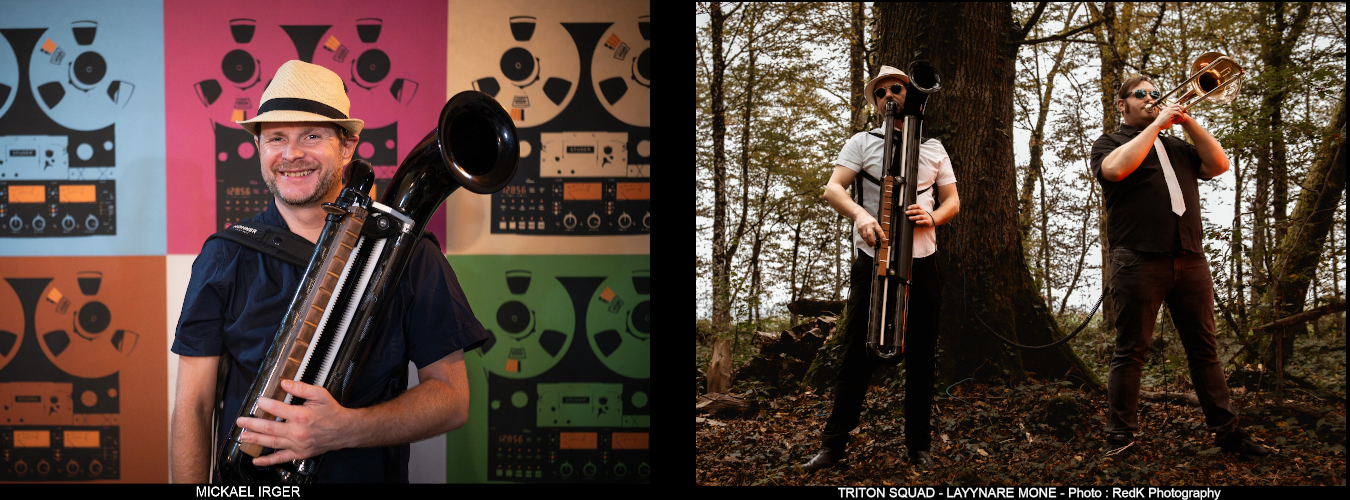
innovative musical perspectives
Playing the didgeridoo solo is a captivating experience. Its soundscape is rich, deep and varied. It leaves plenty of scope for expression. Its single, sustained note does not hinder creativity.
Playing the didgeridoo with other musicians? … There will always come a point where the didgeridoo’s single note becomes a limitation on musical composition. The dissonance with the harmonic grid is likely to be quite unbearable.
Playing the didgeridoo with other musicians: that is the challenge taken up by the KORN BASS.
With the KORN BASS, you can play the didgeridoo whilst following the harmonic progression, take on the role of bassist and even play the melodic lead.
Playing the KORN BASS solo: a world of sound opens up to creativity…
range of 2 octaves
The design of the air column provides the musician with a range of two octaves, from G0 to F#2.
The first octave corresponds to the instrument’s fundamental note, whilst the second octave is produced by the second mode of vibration.
The positions of the notes are marked by frets on the fingerboard.
An additional fifth is possible but is not marked on the fingerboard.
To ensure good playability across the entire range, the bore diameter at the mouthpiece is 35 mm.
innovative design
Double Slider
A slide is the easiest way to achieve a wide range. However, to achieve an octave’s range on the drone, a double slide must be used. The length of the air column increases from 1.40 m to 2.70 m.
Shape of the instrument
The KORN BASS is U-shaped, or a ‘slide tuba’ – shape. The slides move vertically. This means that the mouthpiece and bell remain fixed. The musician does not need to move to follow the movement of the slides. Sound capture is also greatly simplified with a clip-on microphone (not supplied).
Mechanic
The gradual extension of the double U-shaped slide is driven by a rack-and-pinion mechanism. The weight of the slides is counterbalanced by two constant-force springs (wear parts that require regular replacement). These reduce the strain on the musician’s arm.
This system is patented.
Materials
All the tubes are made of carbon fibre. The advantages of this material for the KORN BASS are:
– high rigidity even with a thin wall thickness
– dimensional stability in the face of heat and humidity
– a very reasonable weight.
Smooth sliding and a tight seal between the tubes are ensured by Teflon-impregnated fibreglass rings (wear parts to be replaced regularly)
The mouthpiece, bell, and joint parts are made from glass-bead-reinforced polyamide and produced using 3D printing.
Sensitive handling
Due to the shape of the KORN BASS, it is impossible to see how the slides are positioned.
The position of the slide control lever corresponds to the position of the frets on the fingerboard. Your index finger will tell you where the lever is. The raised frets indicate the root notes (C, D, E, F, G, A, B). The recessed frets indicate the sharp notes (C#, D#, F#, G#, A#).
Whilst learning, it is advisable to play in front of a mirror in order to coordinate your tactile sensations with the notes.
Portability and mobility
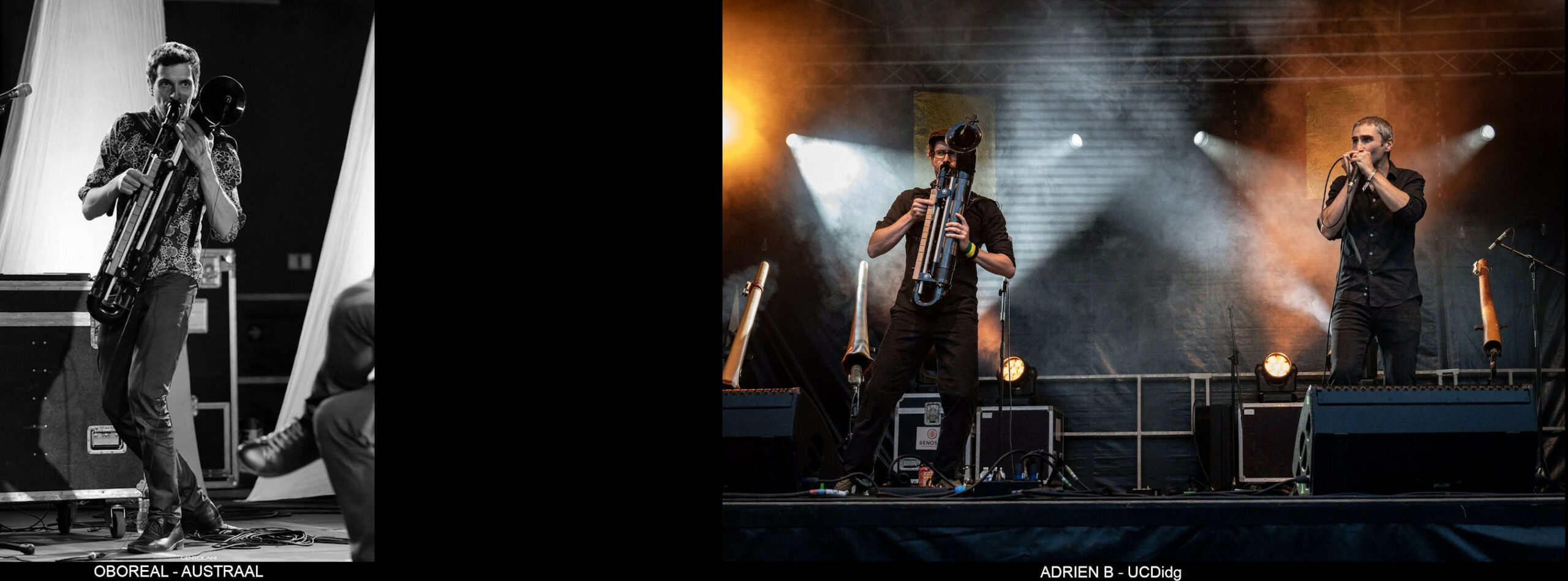
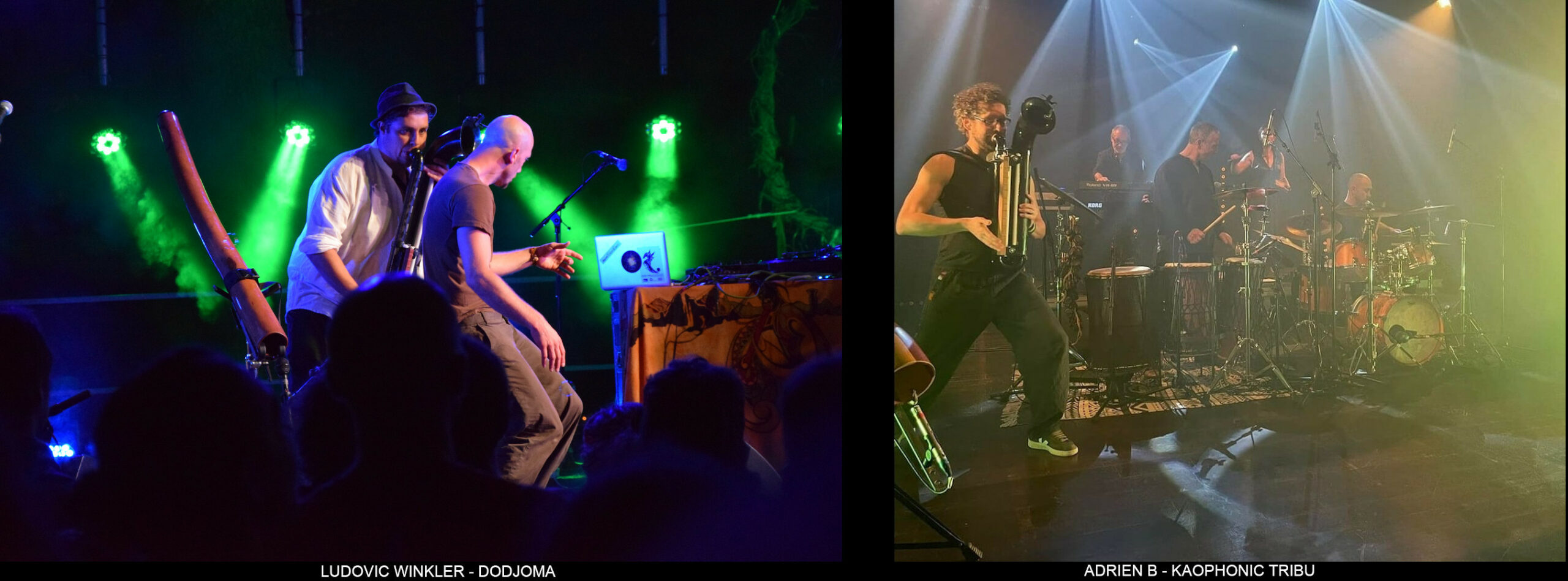
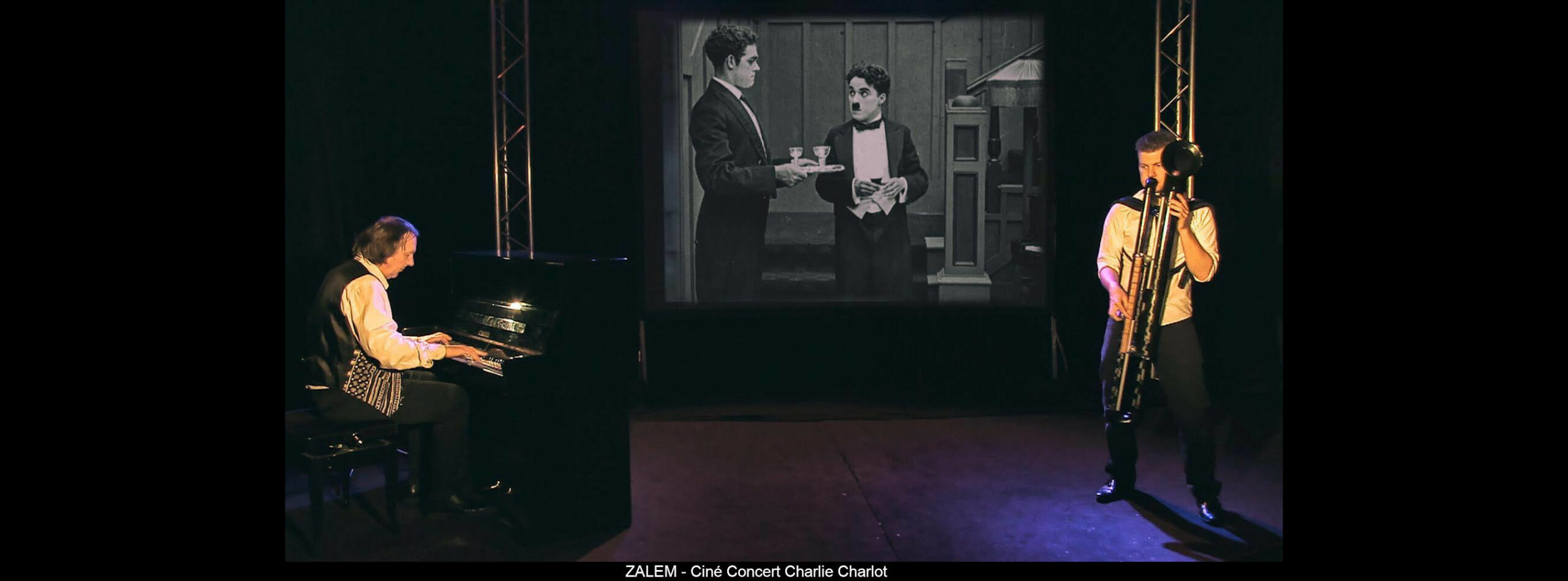
The instrument is carried using accordion straps. The KORN BASS is held against the musician’s chest. The left hand stabilises the instrument.
The musician enjoys excellent freedom of movement.
The KORN BASS is supplied in a fly-case for transport.
TECHNICAL SPECIFICATIONS
Range : 2 Octaves – G 0 / F# 2
Indexing : frets
Air column length :
1.40 m to 2.70 m
Diameter after mouthpiece :
35 mm
Wooden mouthpiece :
32–33 mm recommended
30 to 36 mm possible
Dimensions :
76 cm to 140 cm x 19 cm x 21 cm
Weight : 3.2 kg
Materials :
carbon tubes – mouthpiece, bell and bell body made from 3D-printed PA
Mechanisms :
silent, lubrication-free gear train with a long service life
Wear parts :
springs and sliding rings
Safety :
multi-position locking mechanism and spring-loaded end stop
Carrying :
Accordion straps (supplied)
Accessories :
Fly case, spare mouthpiece, springs, sliding rings, carrying straps


